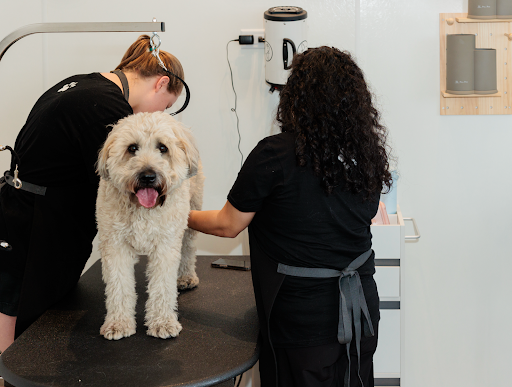
A dog wash is a focused bath that tackles dirt and temporary odors, while dog grooming is a deeper, full-service routine that cares for coat health, skin issues, nails and overall maintenance. This guide helps pet owners tell the difference so you can choose the right service for your dog, whether you’re searching “dog wash near me” or “dog grooming near me.” Read on to learn what each service includes, the health and aesthetic benefits of professional grooming, how time and cost compare, and when a DIY approach is fine versus when a pro is essential. Below we define a wash, break down a full groom step-by-step, compare scope and cost, present an easy decision table, review DIY trade-offs, and touch on the market trends shaping owner choices.
What Is a Dog Wash and What Services Does It Include?
A dog wash is typically a streamlined bathing session, shampoo, rinse, and dry, offered as self-serve or as an express full-service bath. The process is simple: water, the right cleanser, and scrubbing remove dirt, pollen and loose hair from coat and skin, delivering quick hygiene wins like reduced odor and fewer surface allergens. A wash is ideal for short-term needs, after a muddy walk, during high-pollen seasons, or between full grooms, and it’s faster and more budget-friendly than a full groom. Knowing what a wash covers will help you decide whether to book an express bath now or plan a comprehensive groom later. Here are the common items included in a wash so you know what to expect from “dog bathing services” or a self-serve station.
- Bath with shampoo and rinse: Removes visible dirt, loose hair, and surface allergens for an immediate clean.
- Towel or blow-dry: Speeds drying to help prevent damp-related skin irritation.
- Light brushing: Smooths tangles and removes loose undercoat without full dematting.
- Basic ear check and wipe: Clears surface wax and debris that can cause odor.
Those features make a wash a fast, practical hygiene option.
Which Benefits Does a Basic Dog Bath Provide?
A basic bath delivers immediate benefits: it strips away dirt, surface oils and odor-causing bacteria so your dog feels fresher after time outside. It also reduces surface allergens and can temporarily ease mild itching caused by pollen or grime. Baths are useful for inspections, too; a wet, clean coat makes it easier to spot redness, flea dirt or hot spots that may need attention. That said, a bath won’t fix mats, chronic skin conditions, or other problems that need medicated treatments or deshedding work. Knowing those limits helps you decide when a wash is the right first step and when a full groom or vet visit is needed.
When Is a Dog Wash Ideal for Your Pet?
Choose a dog wash for quick cleanups: short-haired or lightly soiled dogs after playtime, dogs itchy from seasonal pollen, or owners who want an affordable hygiene option between professional grooms. Washes also work well for dogs that don’t tolerate long grooming sessions: a quick bath can keep them comfortable without stress. If your dog mats easily, has chronic skin issues, or needs a deshed or haircut, a wash won’t be enough and should be followed by professional grooming. If your dog handles water and basic handling, a self-serve or express wash can be very efficient; if not, look for a groomer who can safely manage drying and brushing without causing anxiety.
What Does Full-Service Dog Grooming Entail?
Full-service grooming is a complete care routine: bath, drying, brushing, breed-specific haircut or clip, nail trims, ear cleaning, and often teeth brushing or deshedding treatments. It’s designed to maintain both appearance and health. Grooming combines mechanical and topical care, trimming excess hair, keeping nails at a healthy length, and cleaning ears to lower infection risk, so dogs keep healthy skin, better mobility and a manageable coat. Professional groomers use techniques and tools that lower injury risk and deliver more consistent results than most DIY attempts, and they often spot early signs of skin disease, parasites or unusual lumps. Expect longer sessions and higher cost than a basic wash, but the preventive health and breed-specific outcomes make it a worthwhile investment for many dogs. Below are the typical components you’ll see in a full groom.
- Bath and medicated shampoo as needed: Cleans and treats specific skin concerns.
- Blow-dry and full brushing: Removes loose undercoat and helps prevent matting.
- Haircut or breed-specific clipping: Keeps coat shape and reduces tangling.
- Nail trimming and paw care: Protects gait and prevents painful overgrowth.
- Ear cleaning and gland expression: Lowers infection risk and odor.
- Teeth brushing and deshedding treatments: Supports oral health and reduces shedding.
What Are the Health and Aesthetic Benefits of Professional Dog Grooming?
Professional grooming helps skin health by removing debris and allowing for targeted treatments, lowers parasite risk through inspection and medicated shampoos, and preserves mobility by preventing nails from growing too long. Aesthetically, a groomer shapes a coat to breed standards or your preference, which makes your dog more comfortable and easier to keep tangle-free, and it prevents mats that can trap moisture and cause dermatitis. Groomers often catch early warning signs, hot spots, lumps, or chronic ear inflammation, turning grooming into a preventive health checkpoint. Regular professional care improves the quality of life for dogs with complex coats and gives owners a cleaner, more comfortable companion. That understanding leads to which breeds and coat types most need professional attention.
Research supports grooming’s role in managing animal health and ensuring access to timely care.
Which Dogs Require Grooming Beyond Basic Washing?
Dogs with curly, long, or dense double coats, think poodle-types, many spaniels, and some designer breeds, usually need more than a basic wash because of matting risk and haircut requirements. Double-coated dogs often need seasonal deshedding rather than aggressive clipping, while curly coats benefit from regular clipping to stay manageable. Both situations require professional skill to avoid skin damage or uneven coats. Signs that your dog needs more than a wash include lingering odor after bathing, visible mats, frequent scratching, or hair that won’t brush out. Frequency varies by coat: short-haired dogs may need pro care every 8–12 weeks; high-maintenance breeds often thrive on 4–6 week cycles. Use those ranges to schedule the right full groom rhythm for your pet.
How Do Self-Wash and Dog Grooming Differ?
The main difference is scope: a wash focuses on immediate cleanliness; grooming targets long-term coat health, medical risk reduction and breed-appropriate appearance. Grooming adds specialized steps, haircuts, nail care, ear work and deshedding, that need trained hands and equipment and produce longer-lasting benefits like fewer mats and healthier skin. Time and skill also differ: a wash usually runs 15–45 minutes; a full groom commonly takes 1–3 hours depending on size and coat. Cost reflects that gap: washes are lower-priced; grooms cost more because of labor and expertise. The table below lays out service scope, time and ideal dog types to make the choice easier.
What Are the Key Differences in Services and Time Investment?
The differences come down to how many precise tasks are performed: washes cover bathing, drying and light brushing; grooming adds haircuts, nail trims, ear care and deshedding, all of which take more time and skill. Haircuts and dematting are careful work, so they lengthen appointments and require trained hands and the right tools, which is why grooming delivers more value for complex coats. Practically, owners who want speed choose self-washes or express washes; those who want thorough maintenance schedule full grooms. Understanding that trade-off helps plan frequency and budget while keeping your dog’s coat healthy between sessions.
How Do Costs and Skill Levels Vary Between Wash and Groom?
Price differences reflect task complexity: services that need fine motor skill and judgment, dematting, breed-specific clipping, medicated treatments, take longer and carry higher liability, so they cost more. Skill matters: inexperienced trimming can nick skin or change coat texture, and incorrect nail trimming or anal gland work can cause pain or infection. DIY washing saves money for basic upkeep, but trying advanced tasks without training can raise vet or grooming costs later. When you compare prices, factor in time, risk, and the preventive value of a professional who may spot problems before they worsen.
What Factors Should Pet Owners Consider When Choosing Between Wash and Groom?
Consider coat type, breed, health, temperament, schedule and budget when choosing between a wash and a full groom; these things directly affect the care your dog needs. Coat structure dictates maintenance, health issues may require medicated baths or gentler handling, and a stressed dog may do better with mobile grooming or slow desensitization rather than a busy salon. The table below translates common factors into how they influence the choice and gives straightforward recommendations.
- Coat type: Determines matting and shedding needs. Short coats usually do well with a wash, while curly or long coats benefit from professional grooming.
- Breed: Some breeds require breed-specific grooming techniques, such as Poodles and similar breeds with similar coat types.
- Health conditions: Skin issues or mobility limitations may require medicated treatments and coordination between a vet and groomer.
- Temperament: Dogs that experience stress or show aggression may benefit from mobile grooming, one-on-one sessions, or gradual training.
- Owner schedule and budget: Busy owners may prefer self-washes or express services, while high-maintenance coats benefit from regular professional grooming.
How Do Breed, Coat Type, and Health Influence Service Choice?
Breed and coat type set the mechanical needs: curly coats usually need clipping to avoid mats, double coats benefit from seasonal deshedding rather than harsh clipping, and long coats require regular trims to prevent painful tangles. Health issues like allergies, yeast infections, or arthritis change the approach: medicated baths, gentler handling or shorter, more frequent sessions may be needed. The rule of thumb: pick services that match the coat’s structure and the dog’s medical needs. When you’re unsure, a groomer’s assessment can create a safe, effective plan tailored to your dog.
What Role Do Lifestyle, Temperament, and Budget Play?
Your lifestyle and budget shape where and how often grooming happens: busy owners often prefer self-washes, express washes, or mobile groomers, while others do DIY washes and save professional grooms for routine maintenance. Temperament decides the safest setting: an anxious or dog-reactive pet may need private sessions, mobile care or gradual training instead of a noisy salon. Balance cost-saving DIY with the risks, and consider bringing a pro in gradually to manage temperament and keep the coat healthy without stressing your dog.
Should You Choose DIY Dog Grooming or Professional Services?
Deciding between DIY grooming and pro services means weighing cost and bonding time against safety, skill and thoroughness. DIY washes are practical for short-haired dogs or between-groom maintenance, but de-matting, advanced deshedding and breed-specific clipping are best left to pros to avoid injury or poor results. A professional groomer also acts as a health checkpoint who can spot issues owners might miss. Below are the main pros and cons to help you choose.
- Pros of DIY: Saves money, builds bonding time, flexible scheduling.
- Cons of DIY: Risk of improper nail trims, incomplete mat removal, limited tools.
- Pros of Professional: Skilled handling, full-service care (nails, ears, dematting), health checks.
- Cons of Professional: Higher cost and appointment logistics.
What Are the Pros and Cons of At-Home Dog Washing and Grooming?
At-home washing is great for routine cleanups and keeping a coat in decent shape between appointments, and it’s a lovely way to connect with your dog. The main benefits are convenience and lower cost, especially for short-coated dogs. The downsides are real: improper nail trimming can cause bleeding, poor mat removal can worsen skin problems, and owners may miss health signs a groomer would catch. With the right tools, a cautious approach and some training, many owners can safely handle basic care, but switch to professional services when you hit persistent mats, odd lumps, or behavior that makes handling unsafe.
When Is It Essential to Seek a Professional Groomer?
Bring your dog to a professional when you see extensive matting, chronic skin issues, aggressive or highly anxious behavior during handling, or when your dog needs breed-specific cuts or deshedding that require special tools and skill. Professionals are also necessary for higher-risk tasks such as anal gland expression, deep dematting, or trimming near sensitive areas. If you want show-standard grooming or have a working dog with functional coat needs, pro services are essential. Spotting these red flags early helps you protect your dog’s safety and long-term coat health.
If you’re comparing local options, neighborhood providers offer both professional grooming and self-wash services many owners choose when searching for “dog wash near me” or “dog grooming near me.” Naming a nearby provider can help turn your plan into action while keeping focus on what’s best for your pet. Check out our locations, here.
What Are the Latest Industry Trends and Market Insights in Dog Grooming?
In 2026, the grooming market is expected to grow, driven by pet humanization, a taste for premium services, and higher demand for mobile and boutique spa-style options that emphasize health and experience. Owners increasingly see groomers as wellness partners who detect skin issues, parasites and early signs of disease, not just stylists. Technology is changing how services are booked and how owners learn about care, making it easier to schedule a grooming appointment.
How Is the Pet Grooming Market Evolving in 2026 and Beyond?
The market is moving toward specialization, luxury pet spas, mobile grooming units and focused deshedding services, driven by owners willing to invest more in pet wellness. Humanization means consumers prioritize safety, quality, and experience, so groomers add options such as skin-friendly products and individualized handling for anxious pets. Premium deshedding services help keep homes cleaner. These shifts create more segmented choices, so it’s important to match the service to your dog’s needs rather than choosing solely on price.
Why Do Pet Owners Value Professional Grooming for Their Dogs?
Owners value professional grooming because groomers bring technical skills, specialized tools and a health-focused eye that are hard to replicate at home; that combo supports coat longevity, skin health and early problem detection. There’s also an emotional payoff: owners feel confident their pets are handled safely and that potential issues will be noticed. That confidence leads many owners to schedule regular grooms for high-maintenance coats and to use express washes or self-serve options between appointments. Understanding these motivations can help you build a grooming plan that balances health, convenience and cost.
For urban pet owners comparing providers, factoring in industry trends, like the value of professional observation and mobile convenience, helps turn market insight into a practical grooming strategy. Local partners such as Bowie Barker Lincoln Park are commonly considered by owners looking for neighborhood self-wash stations or groomers who blend hygiene and grooming expertise.
Bowie Barker is your partner in keeping your dog looking and feeling their best. Our range of grooming services and convenient self-dog wash options, coupled with the ease of our app for booking and information, are designed to make pet care simpler and more enjoyable. We believe that a clean and healthy dog contributes to a happier home and experience the Bowie Barker difference!
Frequently Asked Questions
What should I consider when choosing between a dog wash and grooming?
When deciding between a dog wash and grooming, consider your dog's coat type, breed, health conditions, and temperament. Short-haired dogs may only need a wash, while long-haired or curly breeds often require grooming to prevent matting. Health issues might necessitate medicated baths or gentler handling. Additionally, your schedule and budget will influence how often you can afford professional services. Assessing these factors will help you choose the best option for your pet's needs.
How often should I schedule professional grooming for my dog?
The frequency of professional grooming depends on your dog's coat type and maintenance needs. Generally, short-haired dogs may require grooming every 8-12 weeks, while long-haired or high-maintenance breeds might need grooming every 4-6 weeks. Dogs with specific health issues or those prone to matting may need more frequent visits. Regular grooming not only keeps your dog looking good but also helps maintain their overall health by allowing for early detection of skin issues or parasites.
Can I perform dog grooming tasks at home?
Yes, many dog grooming tasks can be performed at home, especially for basic maintenance like washing and brushing. However, tasks that require specialized skills, such as dematting, nail trimming, or breed-specific haircuts, are best left to professionals. While DIY grooming can save money and strengthen your bond with your pet, improper techniques can lead to injuries or skin issues. If you're unsure about a task, consult a professional groomer for guidance or assistance.
What are the signs that my dog needs professional grooming?
Signs that your dog may need professional grooming include excessive matting, lingering odors after washing, visible skin issues, or difficulty brushing out their coat. If your dog frequently scratches or shows signs of discomfort, it may indicate underlying skin problems that require a groomer's expertise. Additionally, if your dog has a breed-specific coat that requires specialized cuts or maintenance, seeking professional help is essential to ensure their coat remains healthy and manageable.
How can I prepare my dog for a grooming appointment?
To prepare your dog for a grooming appointment, start by familiarizing them with the grooming process at home. Brush their coat to remove tangles and loose hair, and ensure they are comfortable with being handled. If your dog is anxious, consider visiting the grooming facility beforehand to help them acclimate to the environment. Additionally, ensure your dog is up to date on vaccinations, as many grooming facilities require proof of vaccination for safety reasons.
What should I look for in a professional groomer?
When selecting a professional groomer, look for someone with experience and positive reviews from other pet owners. Check if they are knowledgeable about different breeds and their specific grooming needs. A good groomer should also prioritize your dog's comfort and safety, using gentle handling techniques. Additionally, inquire about the products they use, ensuring they are safe and suitable for your dog's skin and coat type. A clean, well-organized grooming facility is also a good indicator of professionalism.
Are there any risks associated with DIY dog grooming?
Yes, there are several risks associated with DIY dog grooming. Improper techniques can lead to injuries, such as cuts from clippers or scissors, and incorrect nail trimming can cause bleeding or pain. Additionally, without proper training, you may miss signs of skin issues or other health concerns that a professional groomer would catch. While DIY grooming can be cost-effective, it’s essential to know your limits and seek professional help for more complex tasks to ensure your dog's safety and well-being.